
The Real Numbers Behind Your Future Life in Paradise
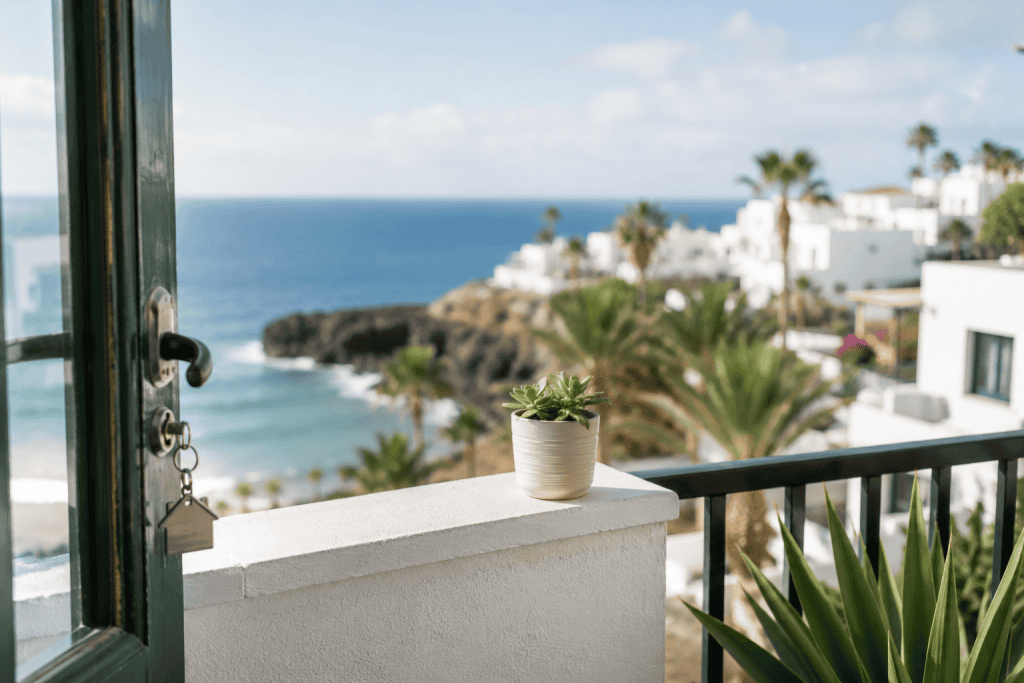
You’ve seen the photos. You’ve checked flights. You’ve pictured it more than once: coffee on the terrace, the ocean in the distance, warm air moving through open doors.
But then the voice comes in:
“Can I afford it?”
That’s the right question.
Because buying a house in Gran Canaria is not about fantasy. It’s about turning that fantasy into something measurable. Something real.
And the first step toward making that move is knowing the numbers. Not just rough estimates, but real, street-level insight into what it costs—and what value you truly get.
Here’s everything you need to know if you're thinking about buying a property in Gran Canaria—whether it's a coastal apartment, a luxury villa, a city flat, or a quiet rural home inland.
Let’s break it down.
What Does “Buying a House” Really Mean in Gran Canaria?
Let’s be precise. When people say “buying a house”, they’re often talking about different things:
- A modern apartment near the beach
- A detached villa with garden and pool
- A townhouse in the city center
- A rural property in the north or interior
- A renovation project with long-term plans
Each of these has its own cost structure.
Each speaks to a different kind of lifestyle.
And each comes with its own hidden advantages.
Average Prices by Area: The Landscape at a Glance
Property prices in Gran Canaria vary significantly depending on location, type of property, condition, and demand. Below are general price ranges, but remember—these aren’t numbers from a spreadsheet. These are real figures based on transactions, daily negotiation, and what actually gets signed at the notary.
1. South of the Island (Maspalomas, Meloneras, Playa del Inglés, San Agustín)
- Apartments: from 200,000 to 400,000 euros
- Villas/Bungalows: from 450,000 to 1.2 million+
- Luxury frontline properties: from 800,000 upwards
The south has one thing that never loses value: climate.
It’s the sunniest area in Europe year-round, and that keeps both demand and prices consistently high.
2. Puerto de Mogán and Surroundings
- Apartments: from 280,000 to 500,000
- Houses/Villas: from 600,000 to over 1.5 million
Here, scarcity speaks louder than surface area.
There are very few properties for sale—and even fewer that stay on the market for long.
3. Las Palmas de Gran Canaria
- City flats (Vegueta, Triana, Guanarteme, Ciudad Jardín): from 180,000 to 500,000
- Penthouses or homes near Las Canteras beach: from 350,000 to 800,000
- Townhouses or larger homes: from 500,000 upwards
The capital city offers excellent value for lifestyle. You get urban infrastructure, beachfront living, strong rental potential—and the freedom to move without a car.
4. Inland & Northern Towns (Arucas, Teror, Firgas, Santa Brígida)
- Fincas or country homes: from 150,000 to 400,000
- Chalets or villas with land: from 300,000 to 700,000
The north is cooler, greener, and more spacious. You get more square meters for your money—and more silence, more sky, more room to breathe.
What Most Buyers Don’t Factor In—But Should
1. Purchase Costs and Taxes
Aside from the purchase price, here’s what you should expect to pay:
- Transfer tax (IGIC or ITP): usually 6.5% (second-hand) or 7% (new build)
- Notary and Land Registry: around 1,000–2,500 euros
- Legal fees and paperwork assistance: 1,000–2,500 euros (unless included in your service)
- Gestoría / Administrative costs: varies, but budget around 600–1,000 euros
Total transaction costs: usually 8–10% of the property price.
This is not a surprise. It’s a step. And once planned for, it becomes part of your peace of mind.
2. Renovation or Furnishing (if needed)
Some buyers want ready-to-move-in homes. Others want to personalize. If you’re planning renovations:
- Light renovation (paint, floors, kitchen facelift): 300–600 €/m²
- Complete reform (including layout change, plumbing, etc.): 1,200–1,800 €/m²
High-end finishes, imported materials, or older structures? Add more. But always remember: with the right vision, a reform isn’t a cost. It’s value creation.
A Realistic Example: What You Can Get for 500,000 Euros
Option A:
A furnished 2-bedroom flat overlooking Las Canteras Beach, ready to rent or move in.
Urban lifestyle, beachfront at your feet, and strong rental demand all year.
Option B:
A 3-bedroom villa with pool in Maspalomas, 10 minutes from the beach, in a quiet residential area.
Space, status, and a warm winter life.
Option C:
A modern country house with garden, views, and land in Arucas or Santa Brígida.
Nature, calm, privacy—and room to build or grow.
The money is the same. But the life behind it is completely different.
Can Foreigners Buy in Gran Canaria?
Yes. Fully. Freely. With full legal protection.
Non-residents can purchase property in Spain, and the process is transparent—if you’re guided by professionals who know both the law and the terrain.
You’ll need:
- An NIE (foreigner tax ID)
- A Spanish bank account
- Proof of funds or mortgage pre-approval
- Representation for paperwork if you’re not on the island
What you don’t need: confusion, surprises, or delays.
That’s where a property consultant changes everything.
Final Thoughts: The Price of a House is One Thing. The Value of a New Life is Another.
Buying a house in Gran Canaria is not about finding the lowest number.
It’s about defining what matters to you—and choosing a place that reflects it.
Space. Sea. Sun. Community. Rental potential. Quiet. Movement. Investment. Identity.
Whatever your reason, the numbers are here.
Now the question is: what do you want them to mean?
At Miyabi Consulting & Services, we help buyers move from idea to ownership with full clarity and zero pressure. No rushed decisions. No noise. Just clear guidance through every step.
If you're ready to explore what your budget could really unlock, we’re here.
Because buying a house isn't just a financial move.
It's the architecture of your future.