












Some businesses are built from scratch: years of trial and error, endless renovation invoices, the uncertainty of whether anyone will ever click "book." And some businesses already exist. They already have five-star reviews, guests who return, and a setting so singular it sells itself, season after season, without needing to convince anyone of anything.
This is the second kind.
Picture arriving at dawn, while the village still sleeps, and the first thing you see when you open the door isn't a street — it's an entire mountain demanding your attention. Low clouds tangled in the pines. A silence so dense you can hear your own pulse. That's how Valleseco wakes up. And it stays that way, almost unchanged, until night falls and the same mountains become a shadow that protects rather than unsettles.
There's no single magic hour here, because they all are. The light at seven in the morning, when the mist hasn't yet decided whether to linger or climb toward Pico de Osorio. Midday, when the green of the laurel forest turns almost electric. Sunset, when the air cools suddenly and smells of pine, of damp earth, of apples — because just steps away, artisan cider is still made here, one of the few in the archipelago. This isn't a backdrop for tourists. It's simply how the north of Gran Canaria lives.
Owning here doesn't mean waking up each morning to "manage a rental" from zero. It means inheriting a rhythm others have already perfected: cleaning that already has its routine, guests who already know what to expect, reviews that have already done the work of convincing the next one before you say a single word. Your role, if you choose, can be as simple as watching a house that started in 1967 continue, nearly sixty years later, to sustain whoever lives in it — only now in the form of steady income, not seasonal harvests.
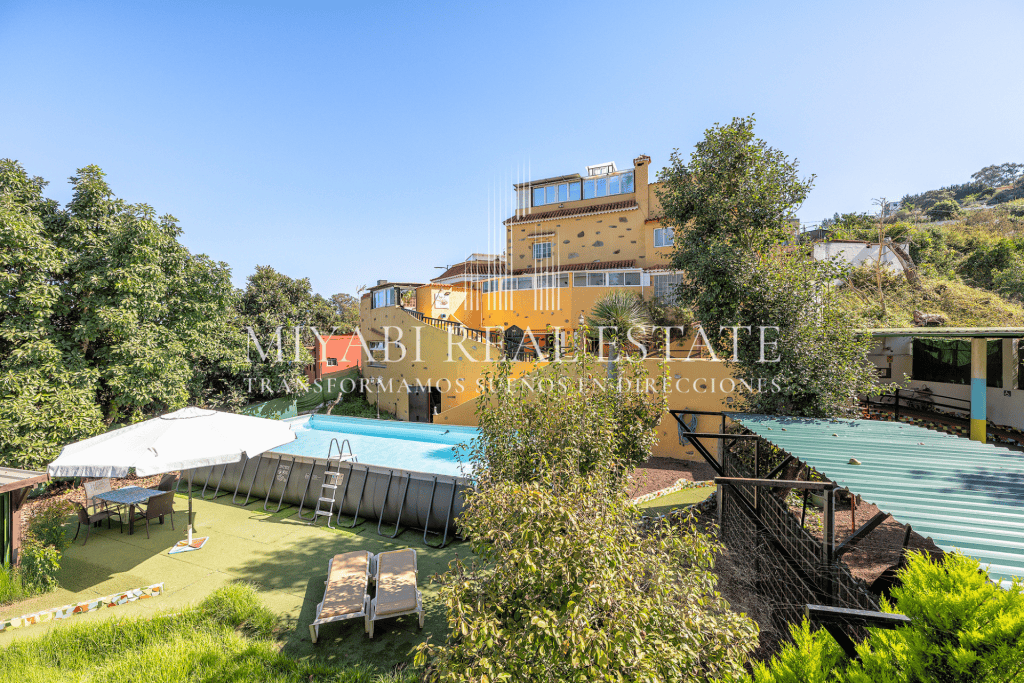
And if you'd rather live here yourself — in one of the three homes, with the other two generating income while you simply live — that's possible too. Few properties in Gran Canaria offer that flexibility: deciding how much of your life you want inside the business, and how much you simply want to enjoy. Some owners keep one house for personal use in summer and rent out the rest year-round. Others prefer never to set foot on the property beyond an annual visit, letting the business run its course, backed by an established Superhost reputation and a calendar that rarely has gaps.
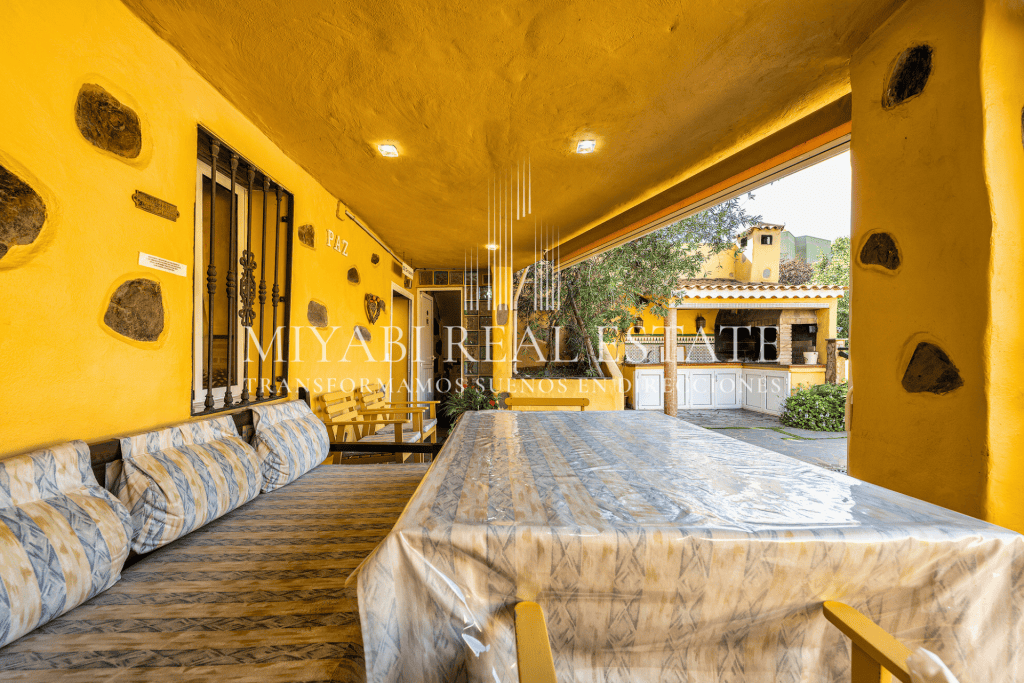
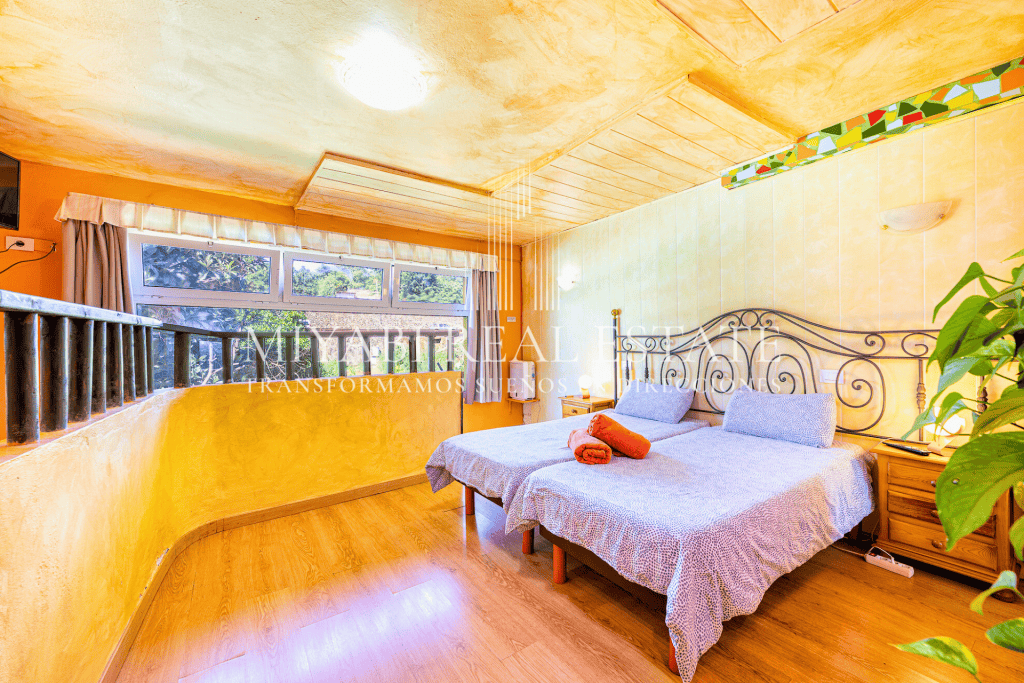
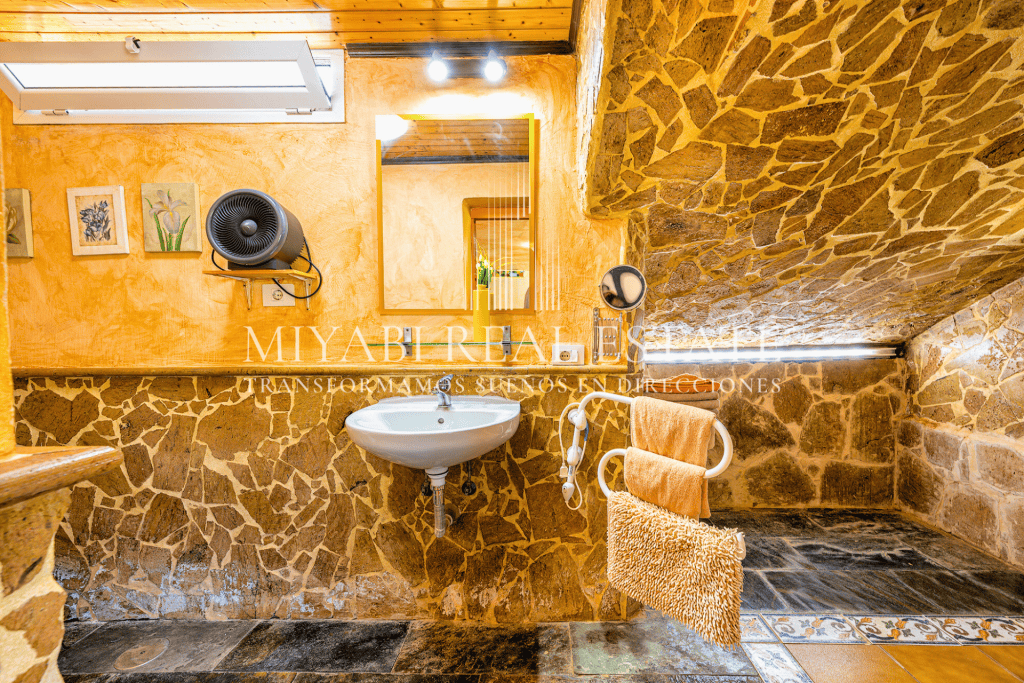
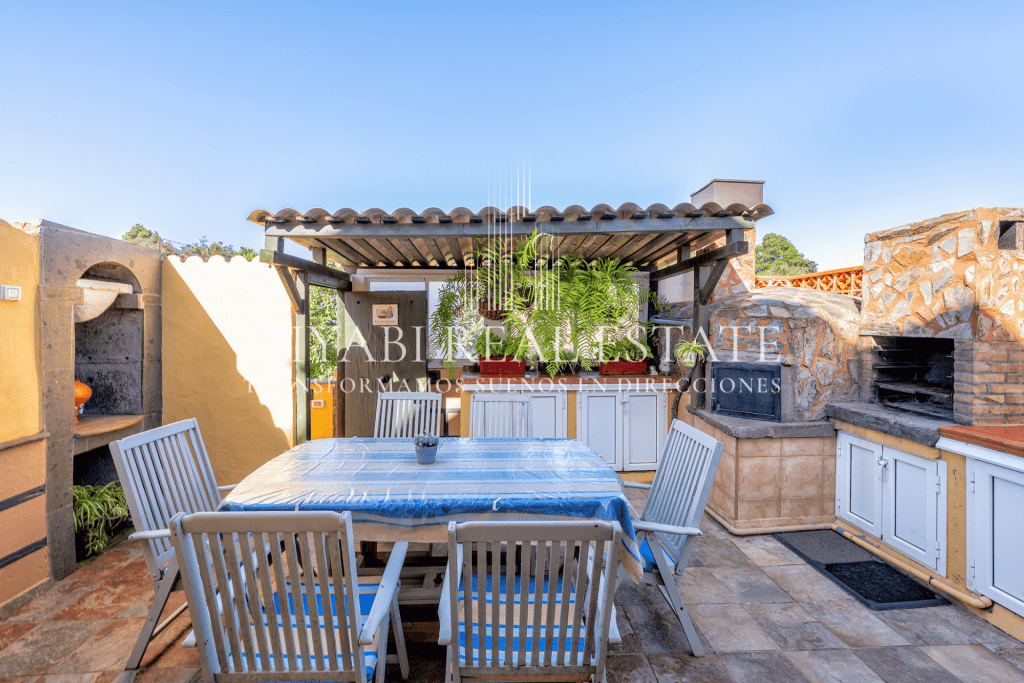
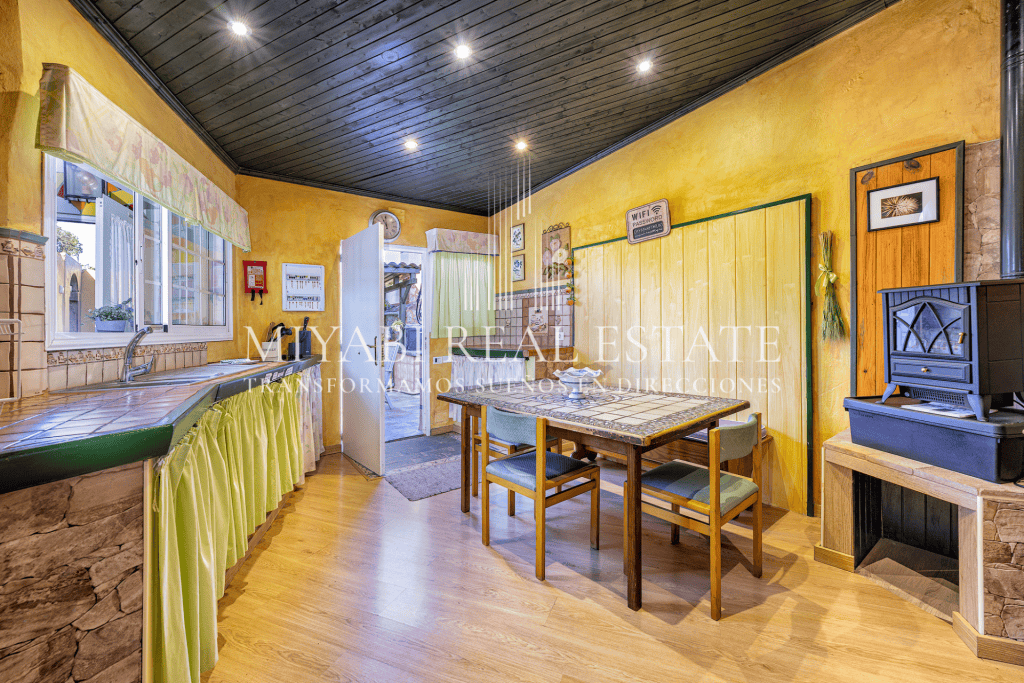
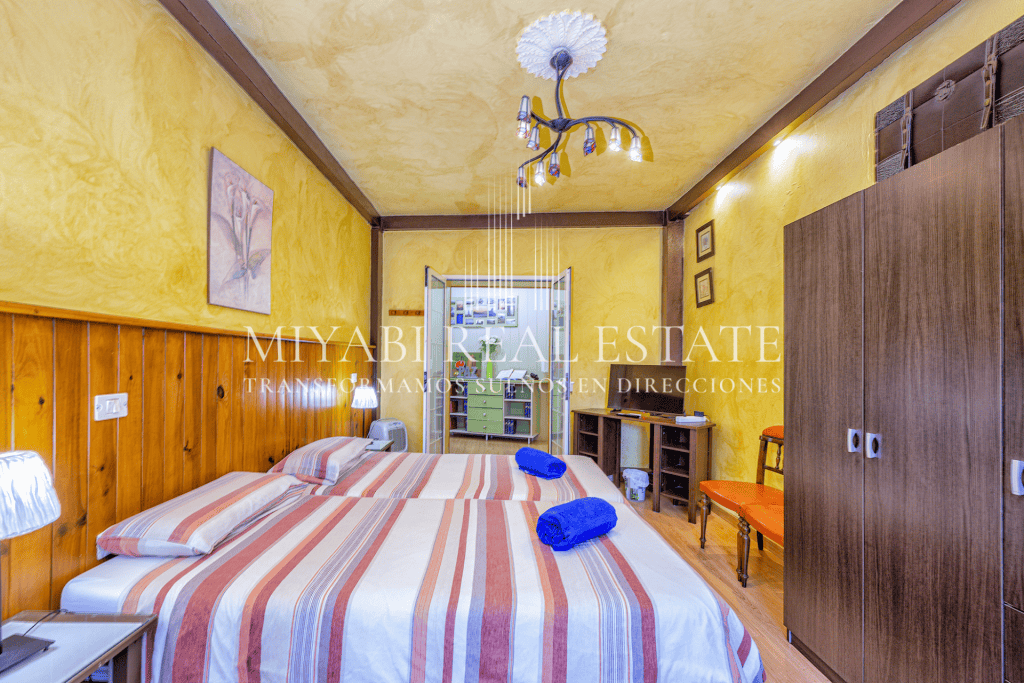
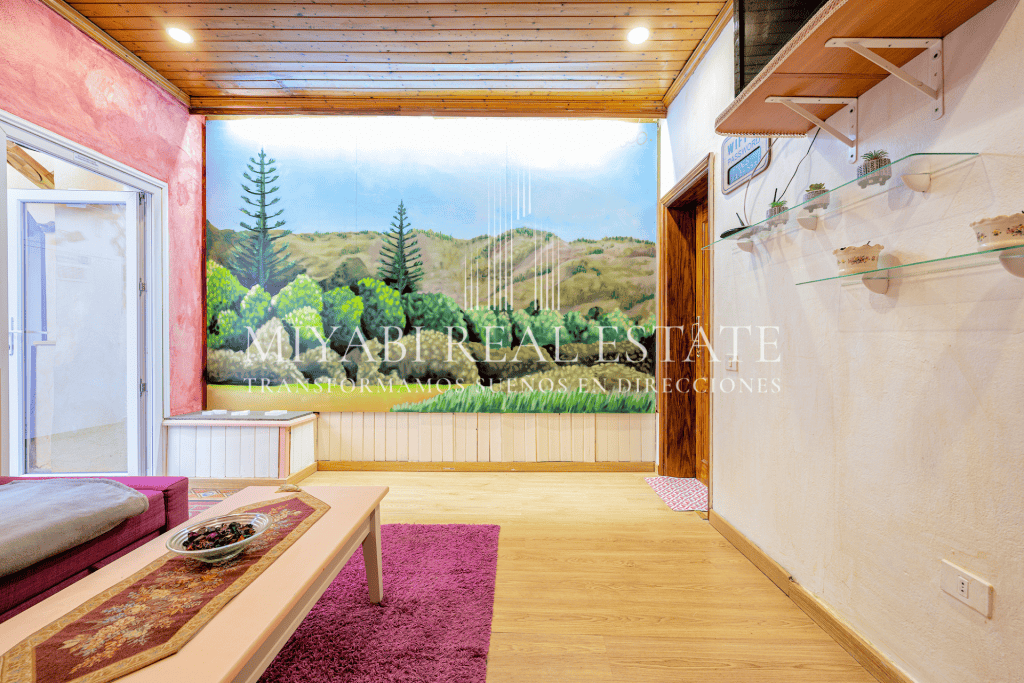
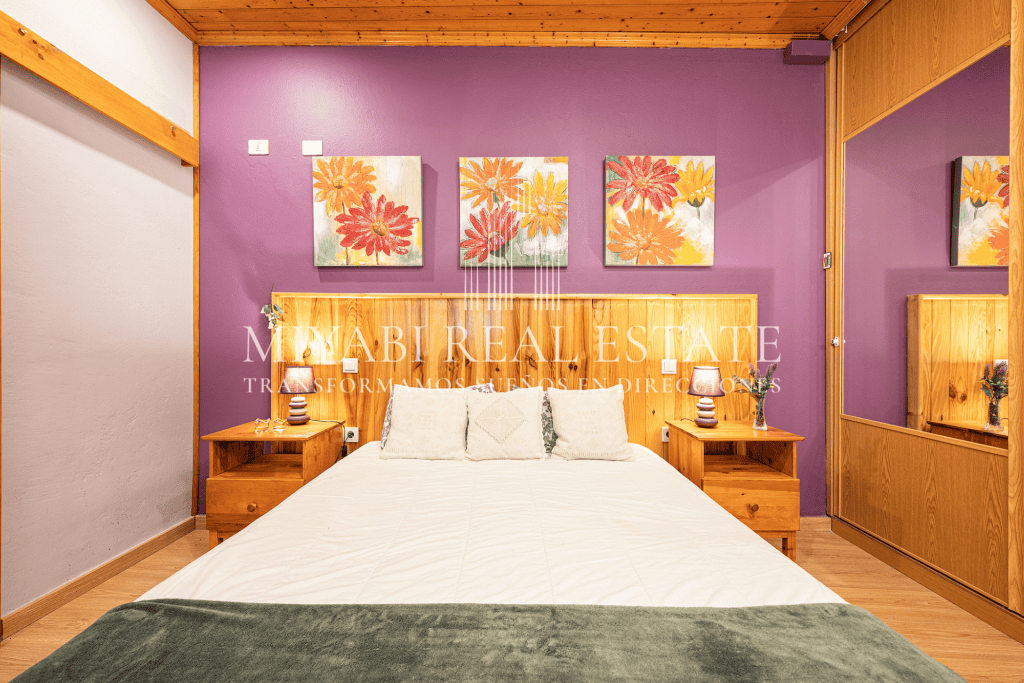
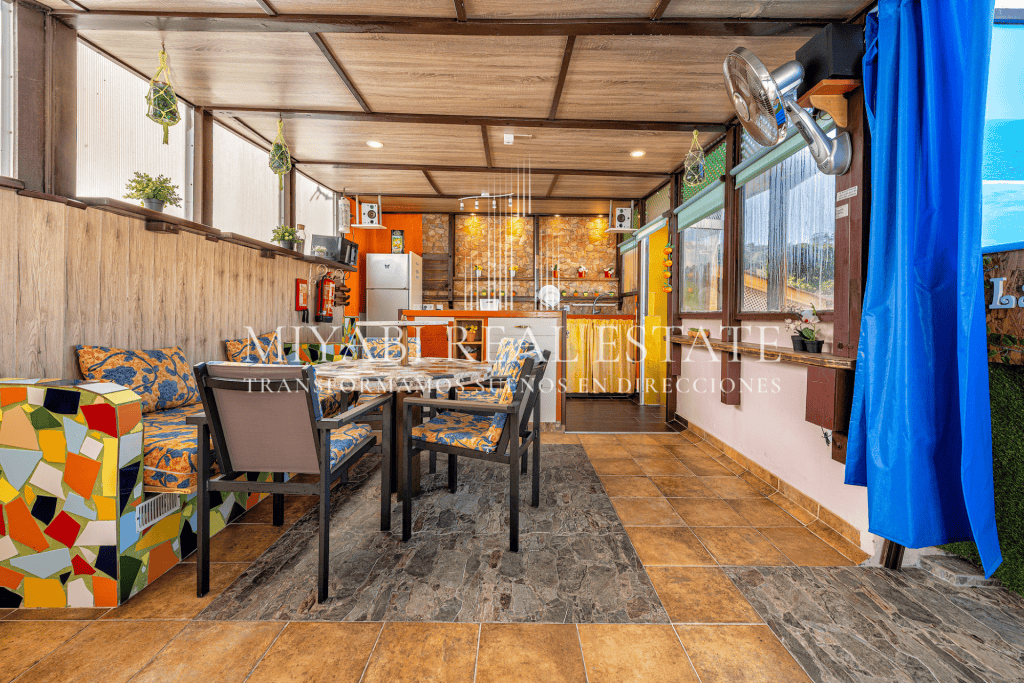
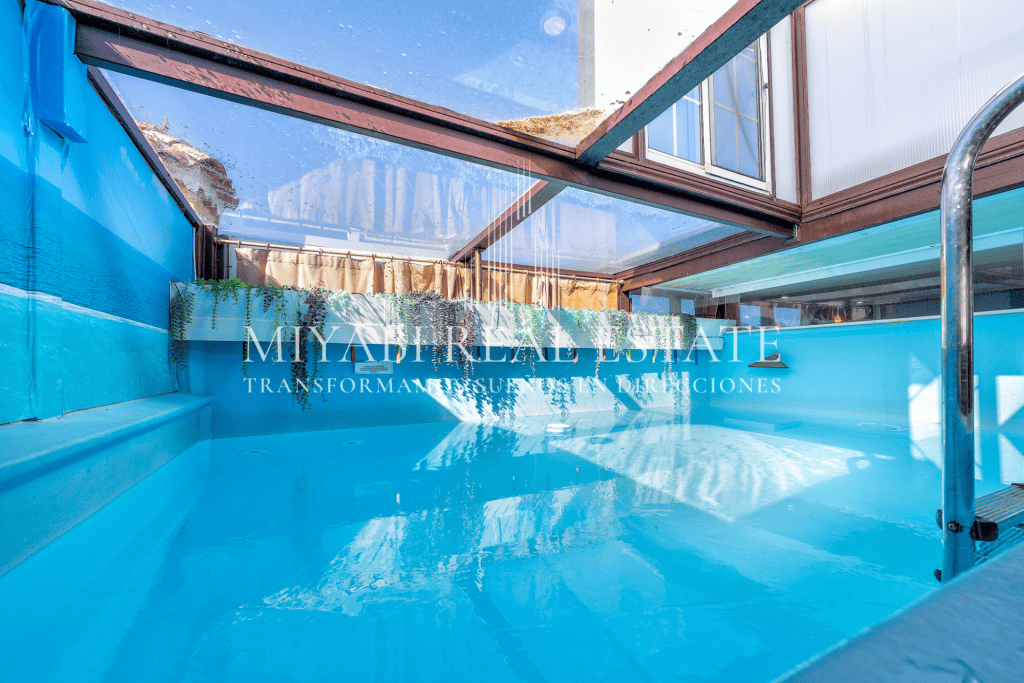
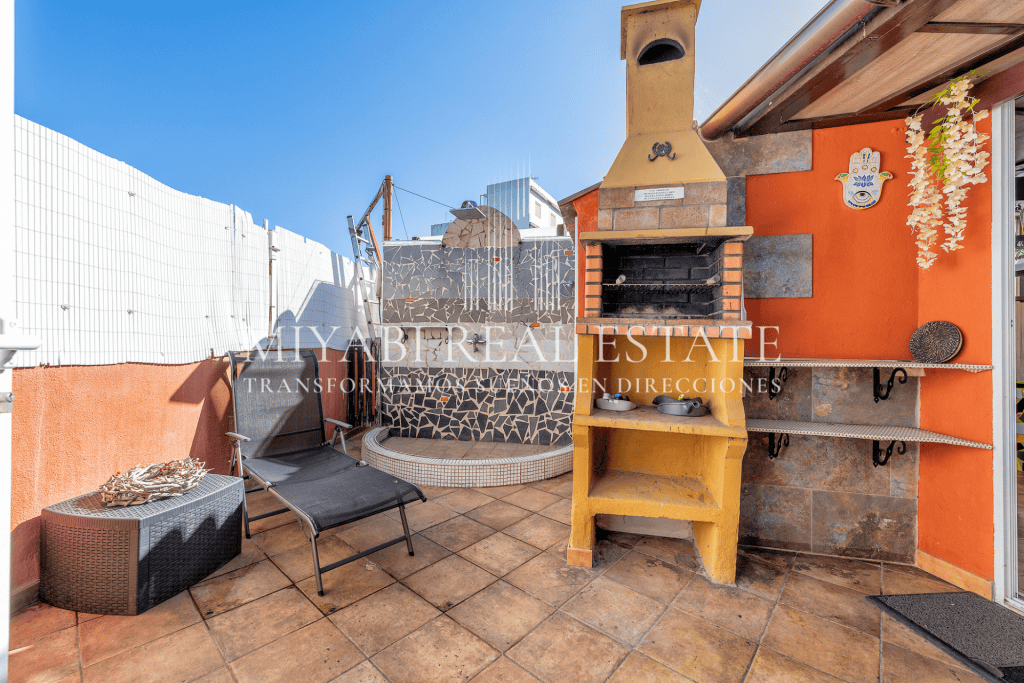
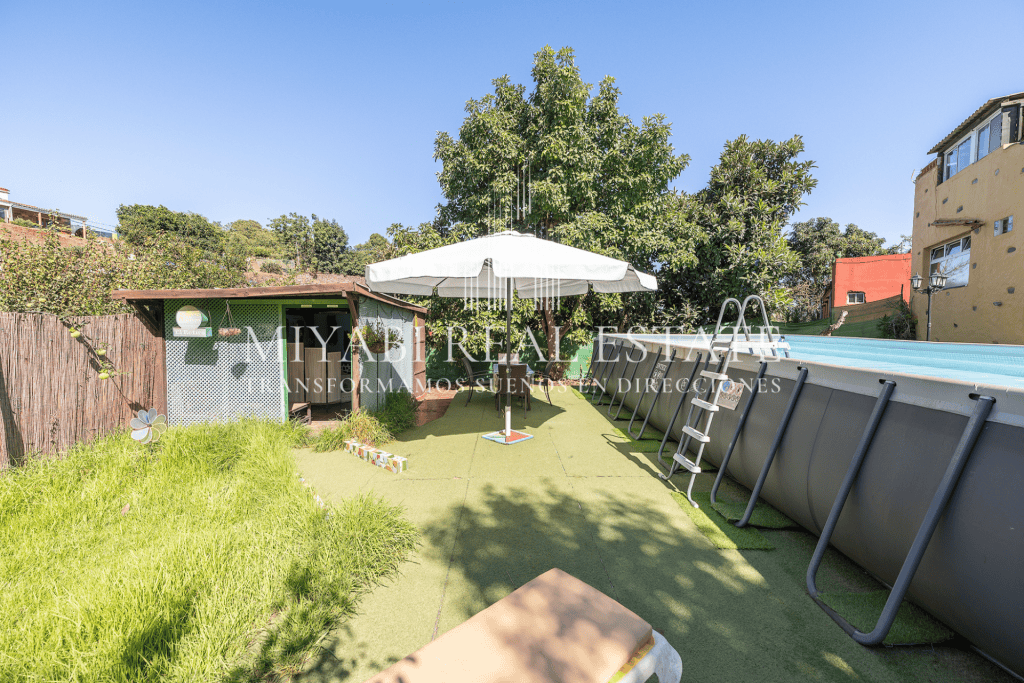
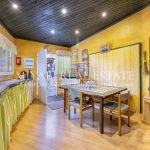
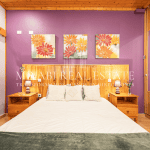
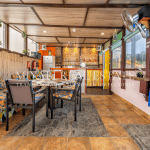
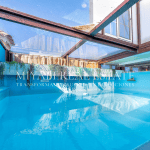
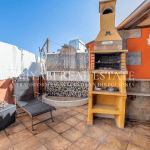
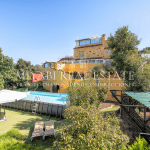
The original structure — a traditional Canarian house from 1967 — has been fully restored without losing what made it valuable: thick stone walls, the calm layout of its rooms, the solidity only houses that have outlived several generations can offer. On that frame, something new has been built: three independent vacation homes, with rooms that breathe and light that arrives without ever forcing itself — never artificial — totalling 586 built square metres, with six bedrooms and five bathrooms between them. Enough space for every guest to feel the mountain belongs to them alone, even with two other families living the same experience just metres away.
There's no checklist of appliances or finishes to recite here. Something simpler sits behind every decision made in the renovation: that whoever arrives from elsewhere, tired of cities and noise, feels — from the first minute — that they can finally breathe.
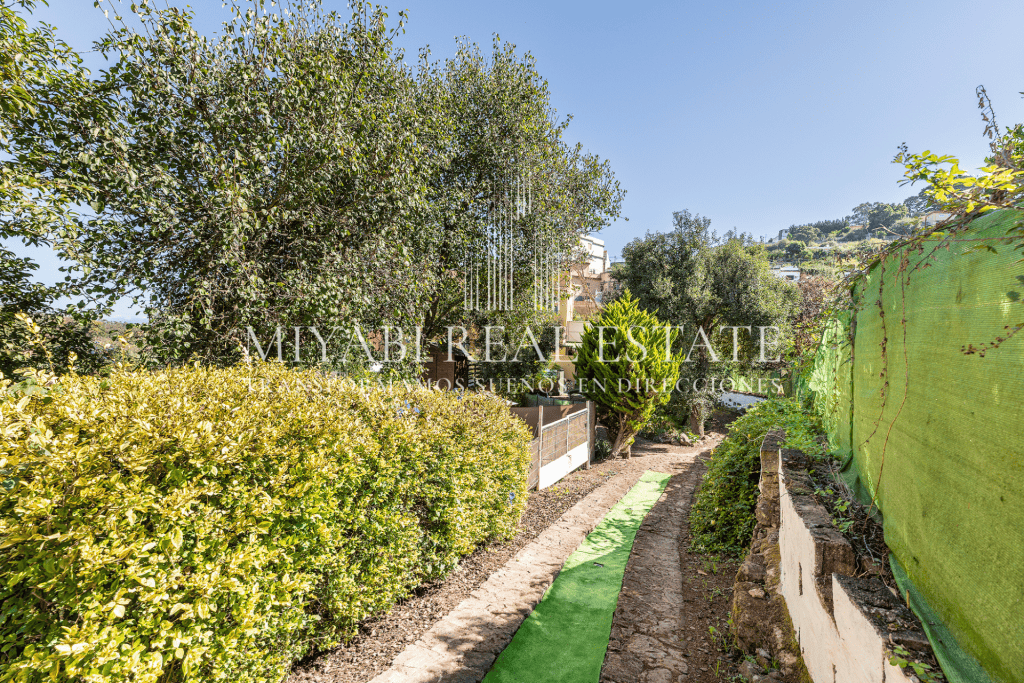
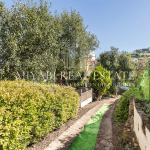
The property sits inside the Parque Rural de Doramas, one of Gran Canaria's last stretches of laurel forest: an almost prehistoric woodland that smells of wet earth even in August. Dozens of hiking trails begin and cross right here — some toward Barranco de la Virgen, with its intact traditional houses; others toward viewpoints that look designed for photographs, though they're simply real. Minutes away, the villages of Valleseco and Teror offer restaurants still cooking with local produce: goat's cheese, dry-farmed potatoes, and the artisan cider that has turned Valleseco into a name of its own in Canarian gastronomy.
None of this requires giving up convenience. Las Palmas de Gran Canaria, with its port, its city life and the Atlantic at its edge, is a little over half an hour away. The airport, for frequent travellers or guests flying in direct from across Europe, is under 45 minutes. It may be the hardest combination to find anywhere on the island: real isolation, without giving up anything.
Gran Canaria has hundreds of houses for sale with sea views. It has entire developments built for tourists chasing sun, sand and a pool shared with fifty other apartments. What it rarely has is this: a business already running, with a Superhost reputation built on real reviews, in a setting most visitors to the island don't even know exists.
And guest reviews aren't the only proof. The property holds the official "Compromiso de Calidad Turística" distinction (officially translated as "Commitment in Tourism Quality"), awarded by Spain's Ministry of Industry, Commerce and Tourism under the SICTED quality system, and renewed through annual assessment. This is an audited recognition, not a marketing claim — the kind of guarantee a hotelier or investor knows to look for.
While the south competes for high-season occupancy and struggles through the quiet months, demand here follows a different logic — the traveller seeking silence, nature and authenticity twelve months a year, a guest profile growing faster every year than sun-and-beach tourism. Less direct competition, less seasonality, and a loyal guest base that returns not for the beach, but for the house itself.
And if you live outside the island — as most buyers here do — you're not managing this alone. That's the reason Miyabi Homes exists: twenty years in Gran Canaria, three languages, and the reassurance of having someone local who understands both the market and the people arriving from abroad looking for more than an investment.
Buying this property isn't betting on a project. It's acquiring one that has already proven, guest after guest, that it works — and will keep working long after you've signed.
Some houses are bought. Some businesses are inherited already running, disguised as a house. This is the second kind.
If you'd like to see it in person — and understand, on the ground, why the north of Gran Canaria holds secrets the south never had — write to me. We speak Spanish, German or English, no formality, the way you'd talk to someone you already trust.
Exact occupancy, income and profitability figures are shared with serious buyers upon request.
 Miyabi Homes
Founder · Real Estate Expert
If you would like more information about this property, arrange a visit or clarify any questions about the process, I will personally assist you.


Trust isn't a slogan, it's the foundation of every deal.
Closed sales 2025/2026€7.250.000
© 2026 Miyabi Consulting & Services S.L. Legal information